
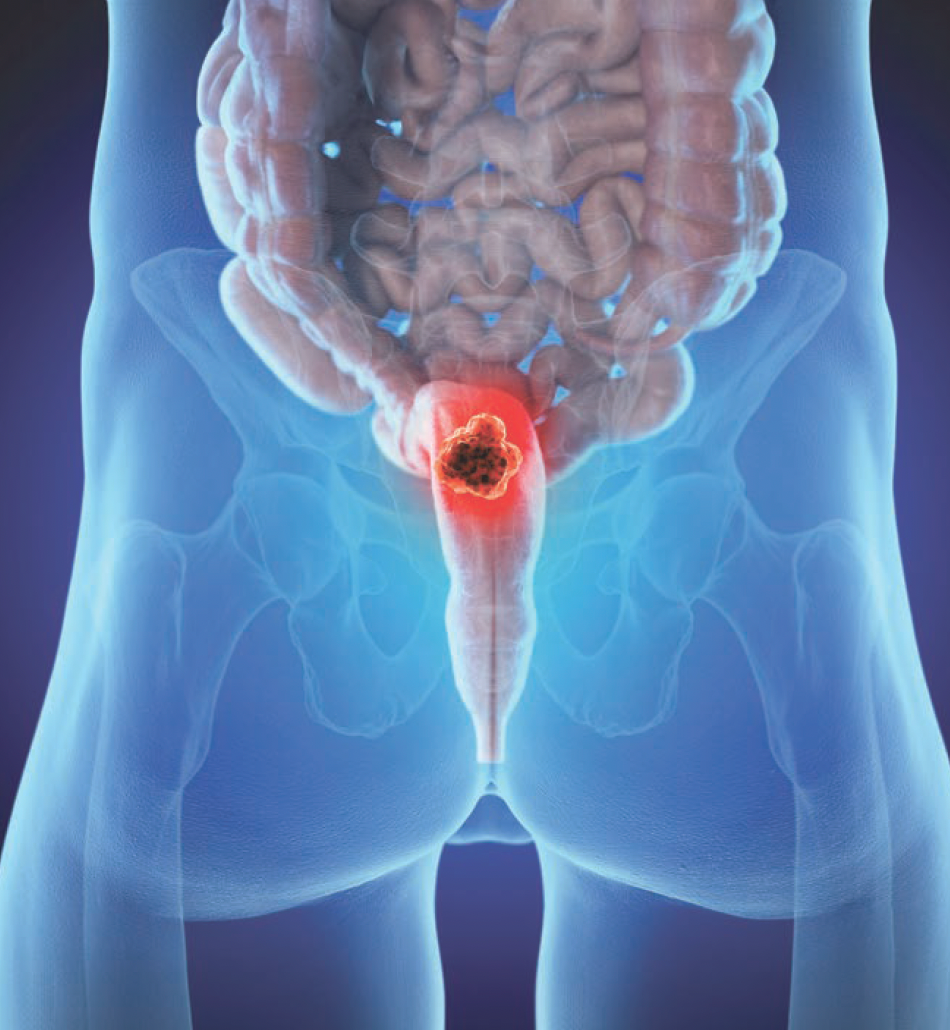
Response assessment after neoadjuvant therapy is a key challenge in modern rectal cancer care. While some patients may no longer show visible signs of tumor, small residual disease can be difficult to detect. This project explores how artificial intelligence can support this assessment using radiology and pathology data.
Objective
This project aims to develop an AI-based model that improves response assessment after neoadjuvant treatment in locally advanced rectal cancer. The model will analyse MRI scans obtained before treatment and at response assessment, together with diagnostic pathology data, to help identify patients with a true clinical complete response.
Methodology
- Train a deep learning model using paired MRI scans: one at diagnosis and one at response assessment.
- Develop a pathology-based prediction model using diagnostic tissue information.
- Combine MRI and pathology data into a multimodal model for response prediction.
Impact and future directions
This project could contribute to more accurate and personalised response assessment in rectal cancer. By improving the detection of true complete responders, AI may help reduce unnecessary surgery while limiting the risk of local regrowth in patients with residual disease.
General info and contact
Keywords: Rectal cancer, AI-based, multi-modal
RADar project research lead: Ir. Nathan Vandekerckhove
RADar project researchers: Dr. Nathalie Mertens, Prof. Dr. Peter De Jaeger
Principal investigator: MD Cédric Schraepen, Prof. Dr. Albert Wolthuis; Prof. Dr. André D’Hoore
Timeline: 2025-2026
Status: Ongoing
Partners: UZ Leuven
 RADar - Learning & Innovation Center